

Therapy costs in Connecticut in 2026 depend on the therapist’s fee, your insurance benefits, and the type and frequency of appointments you schedule. Your payment can also include deductible expenses, charges for missed appointments, or services your plan does not cover. Confirm both the provider’s billing terms and your insurance benefits before treating an advertised fee as your expected payment.
- How much does therapy cost in CT? Confirm the provider’s fee and your insurance benefits before booking.
- An insurance directory listing does not establish your deductible, copayment, or coverage for a particular appointment.
- Embrace Psychotherapy offers trauma, anxiety, depression, and addiction treatment in Norwalk; confirm billing terms directly.
- Compare recurring therapy expenses, not just the charge for your first appointment.
Why this matters
You need a payment arrangement you can understand before starting care. A session fee alone does not explain what you owe, whether an insurer reimburses you, or how cancellation policies affect your spending.
Embrace Psychotherapy is a Norwalk therapy practice offering trauma, anxiety, depression, and addiction treatment for adolescents, adults, and families. Embrace Psychotherapy is a local option for Norwalk adolescents, adults, and families seeking treatment in those areas. Ask about billing separately from clinical fit; neither question replaces the other.
How much does therapy cost in Connecticut in 2026?
Your therapy cost is the amount you owe under the provider’s billing arrangement and, when applicable, your health plan. Start by separating the provider’s charge from your personal responsibility. Those amounts are not necessarily identical.
Use the following questions to establish your expected payment before booking:
- Confirm the service. Ask which appointment you are scheduling, its length, and whether the initial assessment has different billing terms from follow-up visits.
- Confirm the fee. Request the charge for that specific appointment and ask when payment is due. Do not assume a fee applies equally to individual and family sessions.
- Check coverage. Ask your insurer whether the named clinician is in network under your exact plan and whether the proposed service is covered.
- Check your responsibility. Ask about the remaining deductible, applicable copayment or coinsurance, and any authorization requirements.
- Review recurring expenses. Discuss the proposed appointment frequency with the clinician and read the cancellation policy before committing to a schedule.
Keep the provider’s response and the insurer’s response together. If they conflict, resolve the discrepancy before assuming the lower amount is correct. A practice’s statement about accepting insurance does not settle every detail of your individual benefits.
Compare the billing arrangements
These are payment arrangements, not recommendations about which treatment you need. The best fit depends on your benefits, the clinician you choose, and whether you want to submit claims.
| Arrangement | Best for | What it helps you assess | Limitation to check |
|---|---|---|---|
| In-network insurance | People seeking care through their plan’s participating clinicians | Your responsibility under the plan’s covered-service rules | Deductibles, coinsurance, authorizations, and provider participation still matter |
| Out-of-network insurance | People considering a clinician outside their plan’s network | Whether the plan offers reimbursement for eligible services | Benefits are not universal, and reimbursement need not equal the provider’s charge |
| Self-pay | People paying directly without an insurance claim | The provider’s stated fee and payment terms | You are responsible for the agreed charge without assuming insurance reimbursement |
Choose a billing arrangement only after confirming its terms for your specific appointment. A general description such as accepts insurance or provides claim documentation is not a personalized payment estimate.
Using in-network insurance
In-network therapy means the clinician participates in your insurance plan’s network. Verify participation using the clinician’s name and your exact plan, not just the insurance company’s name. Different plans from the same insurer can have different networks.
For your 2026 benefits, ask whether outpatient mental health appointments are subject to a deductible, copayment, or coinsurance. Also ask whether coverage requires authorization or a referral. Write down the representative’s explanation and keep any written benefit information.
The advantage is access to the plan’s negotiated billing arrangement for covered care. The limitation is that network participation alone does not establish what you owe. If you receive an explanation of benefits, compare the patient-responsibility amount with the provider’s bill and question unexplained differences.
Using out-of-network insurance
Out-of-network therapy means the clinician does not participate in your plan’s network. Some plans provide benefits for eligible out-of-network care; others do not. Confirm that distinction before booking on the assumption that reimbursement will follow.
Ask your insurer about the out-of-network deductible, reimbursement calculation, claim submission process, and required documentation. Ask the provider whether they supply an itemized document suitable for a claim. A document supports a claim; it does not guarantee payment.
This arrangement lets you consider clinicians beyond the participating network. Its limitation is payment uncertainty until you understand the benefit rules. Do not subtract expected reimbursement from your budget unless your insurer has explained how the relevant benefit works.
Paying directly for therapy
Self-pay means you pay the provider directly without using an insurance claim for that appointment. Ask for the fee, payment timing, and cancellation terms in writing. Clarify whether the practice bills separately for services outside scheduled sessions.
For self-pay therapy in 2026, request a written estimate of expected charges and ask what would change that estimate. If affordability is a concern, ask whether an adjusted-fee arrangement exists. Do not assume that a practice offers one or that you qualify.
Direct payment makes the provider’s stated billing terms central to your decision. The drawback is that you remain responsible for the agreed charges. Discuss clinical needs and affordability together rather than choosing an appointment frequency solely to make the arithmetic work.
Why therapy costs vary
Several details change the amount you pay. Review these factors separately so a lower session charge does not obscure a less suitable arrangement:
- Appointment type: An assessment, individual appointment, and family appointment can have different billing terms. Confirm the service you are actually booking.
- Appointment length: Ask which session length the quoted fee covers and whether a different length changes the charge.
- Insurance benefits: Network status, deductible rules, copayments, and coinsurance affect your responsibility for covered care.
- Appointment frequency: The schedule you agree on determines how often you incur a session charge. Discuss frequency as a treatment decision as well as a budget decision.
- Cancellation terms: Read the notice requirement and ask what happens when you miss or cancel an appointment.
- Additional services: Ask about billing for requested paperwork or other work outside appointments rather than assuming it is included.
These questions apply whether you are seeking anxiety treatment, trauma treatment, depression treatment, or addiction treatment. The treatment label does not replace an appointment-specific billing explanation.
How do I get a usable estimate before booking?
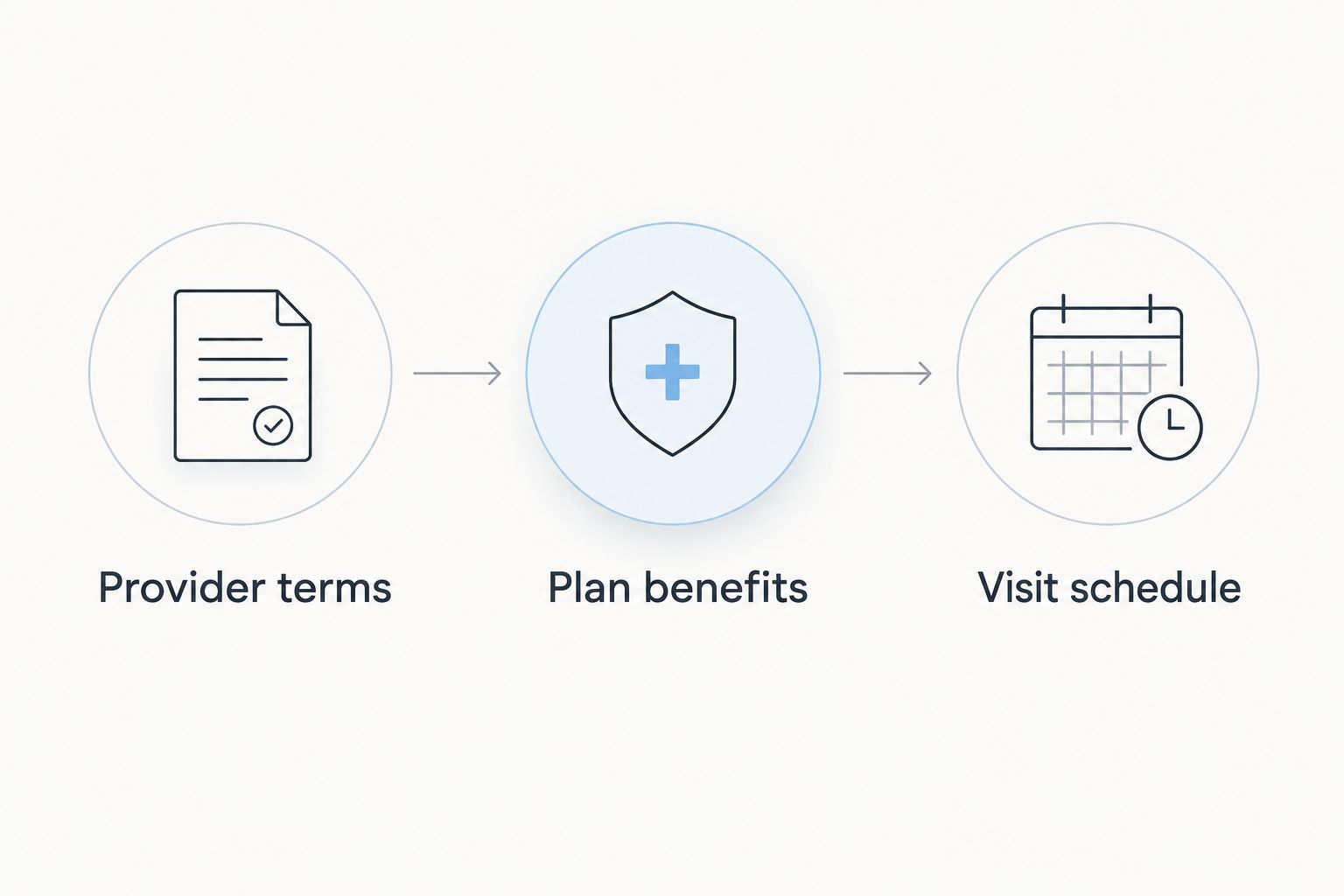
Build your estimate from verified information, not a statewide figure or another person’s bill. For a 2026 therapy budget, use this sequence:
- Provider terms: Get the appointment fee, payment timing, and cancellation policy.
- Plan benefits: Confirm coverage and your responsibility with the insurer if you intend to use insurance.
- Visit schedule: Discuss an initial appointment schedule with the clinician and identify when you will review it.
The result should distinguish what you owe at the appointment from any reimbursement you expect later. That distinction matters when you must pay the provider before a claim is processed.
Is a lower session fee always the better choice?
A lower session fee is not enough to establish the better choice. Compare your actual payment responsibility, the clinician’s treatment focus, and the appointment arrangement. A fee comparison cannot tell you whether the clinician addresses the concerns bringing you to therapy.
When considering Embrace Psychotherapy for therapy in Norwalk, ask both clinical-fit and billing questions. The practice’s stated treatment areas include trauma, anxiety, depression, and addiction; confirm the appointment and payment details that apply to you.
Can I estimate a monthly therapy budget?
You can estimate a monthly therapy budget once you know your expected payment per appointment and the agreed schedule. Include relevant charges outside ordinary sessions, and keep reimbursement separate from payments you must make upfront.
Recheck the estimate when your schedule or benefits change. A budget based on an initial assessment does not automatically describe follow-up care.
FAQ
How much does therapy cost in CT with insurance?
Your payment depends on your plan’s coverage, the clinician’s network status, and applicable deductible, copayment, or coinsurance rules. Confirm the proposed appointment with both the provider and insurer.
Does accepting insurance mean my therapy is covered?
Accepting insurance does not establish coverage under your exact plan. Verify the named clinician’s network participation and the service’s benefits before booking.
Can I get reimbursed for an out-of-network therapist?
Reimbursement depends on whether your plan includes benefits for eligible out-of-network therapy. Ask about claim documentation, deductible requirements, and the reimbursement calculation before relying on repayment.
Is online therapy cheaper than an office appointment?
The appointment format alone does not establish a lower charge. Ask the provider about each format’s fee and ask your insurer about coverage for the service you intend to use.
Can I ask a therapist about reduced fees?
You can ask whether the practice offers an adjusted-fee arrangement and what its eligibility rules are. Do not assume that reduced fees are available or guaranteed.
What should I ask before my first therapy appointment in 2026?
Ask about the appointment fee, insurance participation, payment timing, and cancellation policy. Clarify whether the initial assessment and follow-up sessions have different billing terms.
One last thing
Ask which appointment the estimate describes. An initial assessment, a follow-up session, and a family appointment are not interchangeable billing descriptions. Before starting therapy in 2026, make sure the written terms match the care you are actually scheduling.